Lawmakers hear update on health of California’s downtowns
Regional News

Audio By Carbonatix
4:10 PM on Wednesday, August 12
Madeline Shannon
(The Center Square) – As lawmakers grapple with the declining health of downtown neighborhoods in California's big cities, urban planning and public transit officials spoke about what the state can do to turn things around.
During an informational hearing held by the Assembly Select Committee on Downtown Recovery, officials and urban planners said legislators can do more to ensure California's downtowns recover from years of an economic slump, aided in large part by continued financial support for public transit.
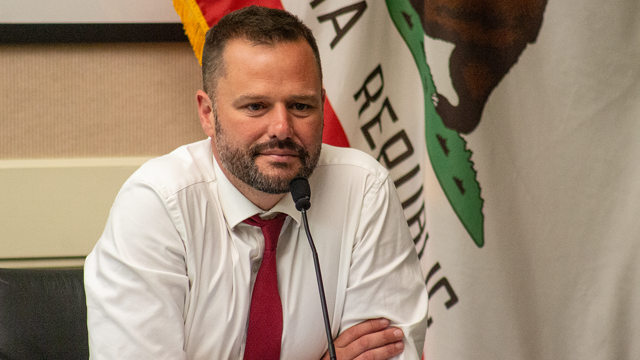
“When we formed this committee in 2024, we formed it around a pretty simple question at the time that is still very relevant today in 2026,” Assemblymember Matt Haney, D-San Francisco and chair of the committee, said at the outset of the meeting. “What can we as state policymakers do to help California’s downtown come back stronger after the pandemic? You can’t really answer that question clearly without talking about public transit.”
Millions of Californians relied on buses, trains and subways to get to work downtown, Haney said. Downtowns have struggled to bounce back since.
“When COVID hit, offices emptied, downtown foot traffic collapsed, and transit systems also lost a large share of the riders they depended on,” Haney added. “Five years later, we know that our downtowns are changing. People are coming back to work, many are still relying on public transit, but some are not necessarily coming back five days a week.”
Numbers published by the U.S. Census Bureau show that population declines occurred in large metropolitan areas across the country, with the biggest declines hitting San Francisco, Daly City, Redwood City, San Mateo, Cupertino and South San Francisco more than any other city in California between July 1, 2020 and July 1, 2021. While population declines slowed or reversed for many cities since that time, the effects of the initial population loss in the first two years of the pandemic cleared out downtowns, affecting urban transit systems.
“The Bay Area really runs on transit, and the backbone of the Bay Area transit system is BART,” Edward Wright, vice president of the Bay Area Rapid Transit board of directors, testified at the hearing. “BART allows people to access a large pool of economic activities, but also, of course, community, culture, jobs and housing.”
The average Bay Area worker spends roughly $34 a day at businesses located in downtown San Francisco, translating to $1 million a day, he added.
“We also know that recovery for San Franciscans downtown is not possible without robust, well-funded, reliable public transit services,” Wright testified.
The Metropolitan Transportation Commission, the governmental agency that oversees public transportation in the San Francisco Bay Area, operated during fiscal year 2025-26 on a $349.6 million budget, with $68.1 million coming from the state, according to a draft of the operating and capital budget.
In the budget passed by the state Legislature and signed into law earlier this summer, lawmakers allocated roughly $4.69 billion to public transit systems across the state.